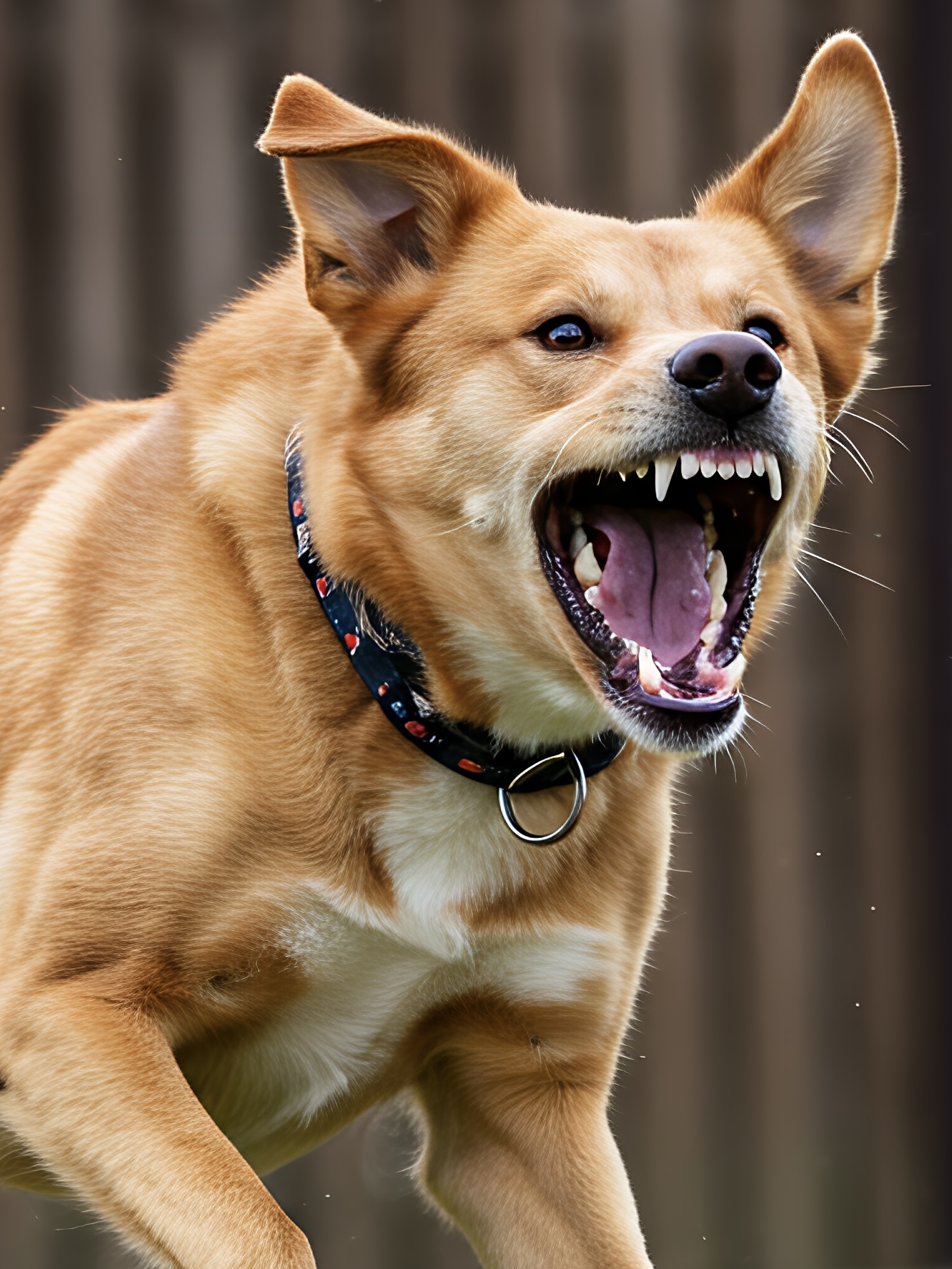
Understand Dog Reactivity
Understanding Dog Reactivity: Why It Happens and How Leadership Stops It Before It Starts
Dog reactivity—barking, lunging, growling, or freezing at triggers like dogs, people, bikes, or cars—is one of the most common behavior issues owners face. While it may look sudden or unpredictable, reactivity is rarely random. In most cases, reactivity develops because the dog feels responsible for making decisions, stepping into the “leadership role” when they feel their human isn’t confidently guiding them.
Reactivity isn’t about dominance or a “bad” dog. It’s about stress, uncertainty, and a lack of clear direction. When dogs don’t have a leader to follow, they take the job themselves—and that job can be overwhelming.
Let’s break down why reactivity develops and how strong, calm leadership can prevent the reaction before it ever begins.
How Reactivity Develops
The Dog Feels Responsible for Safety
Dogs are natural observers. When they sense their owner isn’t confident or isn’t paying attention, they feel the need to step up.
This often looks like:
Hyper-vigilance on walks
Scanning for threats
Pulling ahead
Staring at approaching triggers
This responsibility creates stress, and stress fuels reactivity.
Lack of Structure & Clear Expectations
Without consistent rules—like walking calmly, following commands, or staying near the handler—dogs default to whatever behavior feels right in the moment.
If they believe they’re in charge, reacting becomes their go-to strategy.
Unmet Mental & Physical Needs
A dog with excess energy and no guided outlet is more likely to explode when triggered.
Reactivity often grows when a dog:
Isn’t being challenged mentally
Isn’t given structured exercises
Doesn’t have jobs or boundaries
Structure gives the mind something to do, which prevents the brain from spiraling into reactivity.
Owners Accidentally Reinforce Fear or Overexcitement
Many owners soothe a reacting dog with pets or words, hoping to calm them.
To a dog, that feels like:
“Good job for barking at that dog!”
“Yes, stay worried!”
“I agree that the other dog is a threat!”
Unintentional reinforcement strengthens reactivity.
The Dog Never Learned How to Follow
Dogs aren’t born knowing how to trust leadership. They learn through:
Clear communication
Consistency
Accountability
Calm energy
Without these, they make decisions based on emotion, not guidance.
Leadership: The Key to Preventing Reactivity Before It Starts
Leadership isn’t about control or dominance—it’s about providing clarity, direction, and calm structure so your dog doesn’t feel pressured to react.
When leadership is strong, the dog can finally relax, because someone else is calling the shots.
Here are leadership goals to start implementing right away:
Leadership Goal #1: Structured, Predictable Walks
A reactive dog should never lead the walk.
A structured walk:
Keeps your dog beside or slightly behind you
Builds engagement
Teaches your dog to check in
Prevents scanning, pulling, and trigger fixation
A dog who is following you cannot simultaneously “handle security detail.”
Why it works:
You eliminate the mental load that fuels reactivity.
Leadership Goal #2: Teach Your Dog to Look to You First
A reactive dog’s eyes are everywhere—except on you.
Start rewarding:
Eye contact
Focus
Checking in
Staying tuned to your movements
This rewires their brain from “react to everything” to “check with my human first.”
Why it works:
When a dog defaults to you, reactivity doesn’t have time to build.
Leadership Goal #3: Create Structure Inside the Home
Reactivity outside often starts inside the home.
Add structure such as:
Place command
Doorway manners
Waiting for release cues
Structured feeding
Calm greetings
A dog who respects boundaries inside will follow your lead outside.
Why it works:
Leadership becomes a lifestyle, not a walk-only rule.
Leadership Goal #4: Interrupt the Reaction Before It Peaks
A dog doesn’t go from calm to explosive instantly. There are always pre-reactivity cues:
Staring
Tail stiffening
Mouth closing
Ears locking forward
Body leaning
Use a calm but clear interrupter (leash pressure, spatial pressure, or pattern work) before the reaction happens.
Why it works:
You catch the spark before it becomes a fire.
Leadership Goal #5: Stay Calm, Neutral, and Unbothered
Dogs mirror their handler.
If you tense up when you see a trigger, your dog feels:
“If my leader is nervous, I should take charge.”
“I need to react first.”
Your calm confidence becomes their emotional anchor.
Why it works:
Leadership is communicated through energy more than words.
Leadership Goal #6: Replace Treat-Based Listening with Real Engagement
Food alone can’t override fear or frustration.
Teach your dog to follow:
Body cues
Leash communication
Voice tone
Boundaries
Then use treats as icing, not a crutch.
Why it works:
Dogs follow leaders, not a pez dispenser.
Leadership Goal #7: Practice in Low-Distraction Environments First
Your dog needs to know how to follow you when nothing is happening before they can follow you when everything is happening.
Start where you can succeed:
Backyard
Living room
Quiet streets
Then gradually add mild triggers.
Why it works:
Leadership learned in safety becomes solid under pressure.
Reactivity is not a dog being “bad”—it’s a dog carrying too much responsibility. When dogs don’t have strong leadership, they default to handling situations themselves, and reactivity becomes their strategy.
But when you provide clear expectations, structured routines, accountability, and calm guidance, reactivity begins to fade long before the dog ever feels the need to explode.
Leadership gives your dog the most valuable gift of all:
The freedom to relax.
