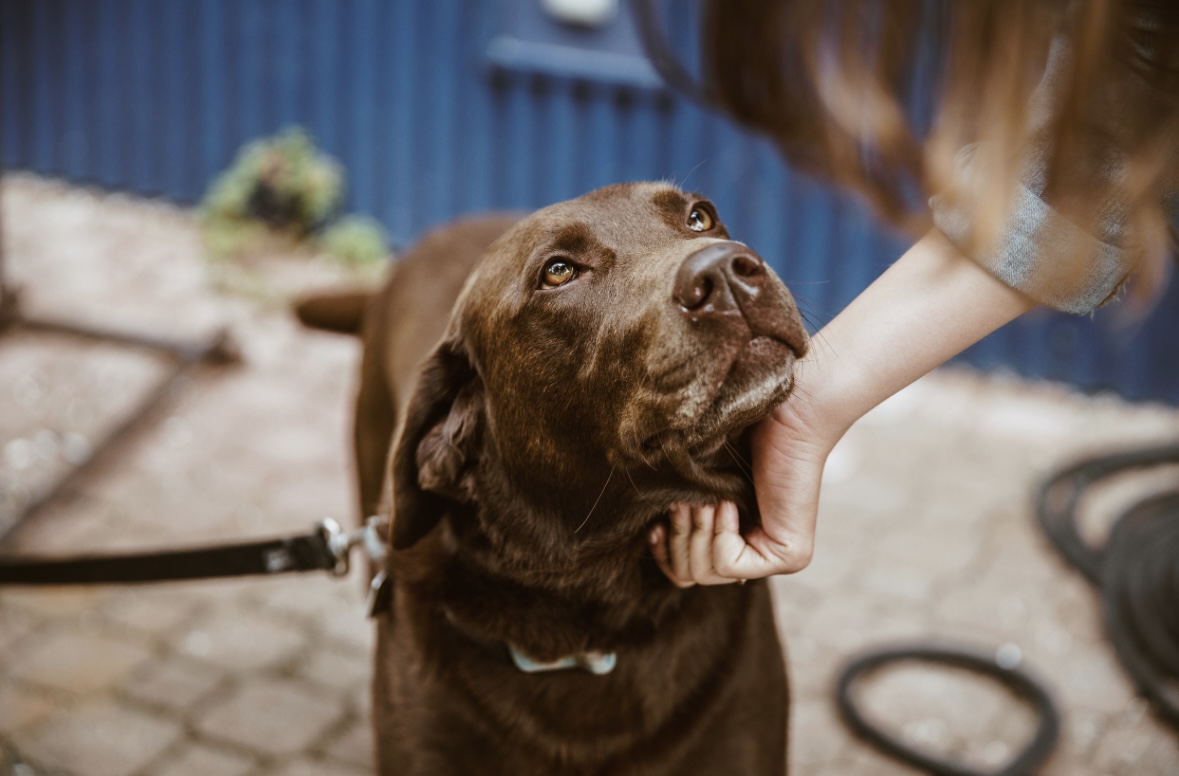
Relationship First Obedience Second
Relationship First Obedience Second
Building a strong relationship with your dog goes far beyond teaching commands. While obedience is important, it shouldn’t be the first step. Instead, focus on creating a foundation of trust, play, and mutual understanding. Once that’s in place, obedience will follow naturally.
(Tharros: Exactly. Treats help too… just saying.)
Start by spending quality time with your dog through positive experiences. Play fetch, tug-of-war, run, bike together or whatever your dog enjoys most. These activities go a long way in building your bond.
(Tharros: Please choose fetch. Tug is fun, but I take it VERY seriously.)
Get to Know Your Dog
Take time to understand your dog’s personality, preferences, and needs. The first step in creating a strong relationship is learning who they are on a deeper level. Pay close attention to their body language, vocalizations, and habits. Dogs communicate through subtle cues, and recognizing these signals will help you respond in ways that make them feel secure and understood.
(Tharros: For example, if I sigh dramatically and throw myself on the floor… I am, in fact, dying of boredom.)
Every dog is different, so be sure to read multiple body language cues to guide your interactions.
(Tharros: Yes. My tail wag means “I love you,” “I’m happy,” and “I might sprint in a random direction right now.”)
Build Drive Through Play and Praise
Once you’ve built trust and begun to understand your dog’s motivations, you can start using what they love—play, praise, or food—as rewards in training. Structured training doesn’t always need to rely on treats. Play and verbal praise can be just as powerful, especially when your dog is already engaged and having fun with you.
(Tharros: But if you do use treats, I vote chicken. I always vote chicken.)
Layer in Obedience
Now that you've established a strong connection, it’s time to introduce obedience. When done correctly, obedience training enhances the relationship, creating clearer communication and deeper trust.
(Tharros: “Clearer communication” means I finally understand what you want… instead of guessing and spinning in circles.)
Obedience isn’t just about control, it’s about safety and freedom. When dogs understand basic commands, they can safely enjoy more freedom, whether that’s off-leash hiking or hanging out at home. Teaching them boundaries and structure not only protects them but also stimulates their minds and builds their problem-solving skills.
(Tharros: Yes, let me problem-solve. I solved the puzzle of the treat cabinet once… I can do it again.)
Start With Loose Leash Walking
Loose leash walking is foundational. If your dog can’t walk calmly on a leash, it’s unlikely they’ll have a reliable recall off-leash either. Loose leash walking means your dog walks with you without pulling, paying attention to your movements—stopping when you stop and turning when you turn.
(Tharros: I can loose leash walk… unless I see a squirrel. Then I ascended to another realm.)
This builds engagement and communication. If your dog isn’t looking to you for guidance on a walk, you’ll likely face challenges as you move into more advanced training or off-leash work.
(Tharros: Eye contact = “I love you, and also, do you have snacks?”)
Basics of the Basics
Once you’ve built engagement through walking, it’s time to add obedience. It starts with saying what you mean and mean what you say. Avoid repeating commands. Doing so teaches your dog they can choose when to listen.
(Tharros: Yeah… if you say “Sit… sit… sit…” I assume it’s optional.)
Start with short, focused training sessions and always have a way to reinforce commands (like a leash). If you can’t follow through, don’t give the command.
(Tharros: Also, short sessions help my attention span. Which is shorter than a fruit fly on espresso.)
Condition Your Marker and Release Words
Before teaching specific commands, establish a marker and a release word:
A marker (like "Yes!" or a clicker) tells the dog they’ve done something right.
(Tharros: Yes = jackpot. Say it again.)A release word (like "Break!" or "Free!") lets them know they’re done with the command and can go back to being a dog.
(Tharros: “Free!” is my favorite word besides “treat.”)
Once these are conditioned, you can start teaching basic commands.
Foundational Commands to Teach
Recall
Every dog should learn recall, especially if off-leash freedom is a goal. A strong recall can save your dog’s life, whether they’re heading toward a busy road or an aggressive dog. Always begin recall training with a long line for safety and control.
(Tharros: Also, don’t yell our name like you’re announcing judgment day. Kind voices work better.)
Place Command
This is great for dogs who are reactive, bark at passersby, or struggle to settle. “Place” teaches your dog to stay calmly on a designated surface (like a bed or mat), giving them something to focus on instead of reacting to their environment.
(Tharros: My bed is my kingdom. Please respect the throne.)
Down and Sit
Start with “Down”, which is naturally more relaxed than “Sit.” Teaching down helps your dog stay calm in stressful situations. Sitting, while still useful, tends to keep them more alert and ready to move.
(Tharros: “Down” is chill… “Sit” means I’m plotting my next move.)
Leave It
This is essential for safety. When teaching “Leave it,” never reward your dog with the item you asked them to leave—otherwise, they’ll learn to wait you out instead of ignoring the item altogether.
(Tharros: Listen… if you tell me to leave the chicken nugget but then GIVE me the chicken nugget… that’s on you.)
Keep It Fun!
Beginner obedience should always be fun and engaging. Keep sessions short, include breaks, and celebrate progress. The goal is to make your dog want to come back and learn more.
(Tharros: We will absolutely come back… especially if there’s praise. Or toys. Or snacks. Or you.)
Strong, reliable obedience is more than just commands—it’s a powerful way to deepen your bond and enjoy life together to the fullest.
(Tharros: And at the end of the day, we just want to make you proud… and maybe steal your socks.)
