My Dog Won't Listen Without Treats
"My Dog Won’t Listen Without Treats"
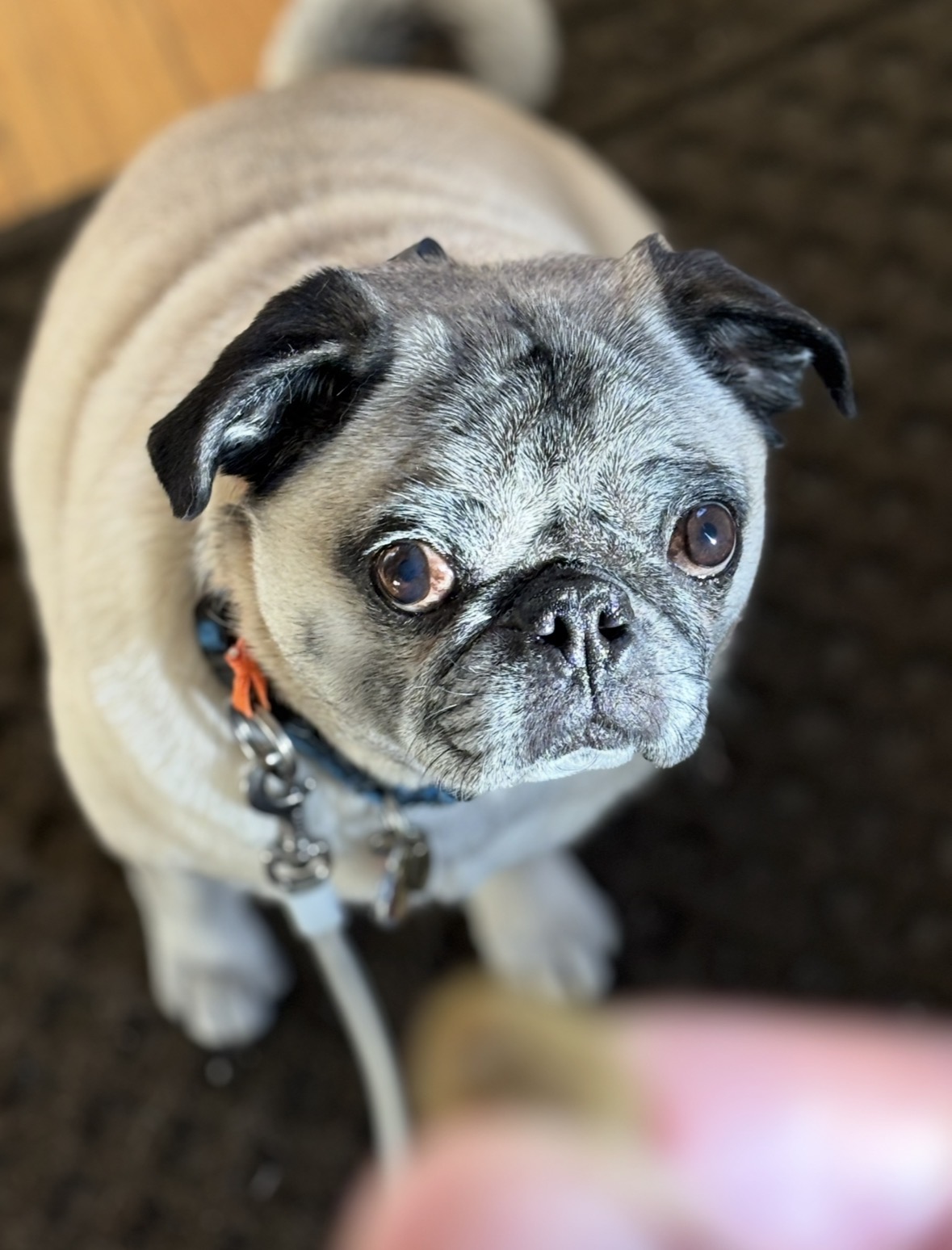
Do you know a dog that will do anything for food? As soon as you take the food away, you find him staring, pawing, or whining at you while you ask for them to sit. Maybe they begin to bark as you ask them to sit again. Asking again, hoping “3rd times a charm” but he just stares at you while his amnesia sets in.
When it comes to training ours dogs, treats are often seen as a quick and effective way to reinforce positive behavior. But what happens when we reach into our pocket to find the leftover crumbs from our tasty treats?
Teaching your dog to respond to commands without treats helps build a deeper bond of communication and trust between you and your dog.
Here’s how:
Build a Strong Relationship Through Bonding
A dog that trusts and respects you will be more likely to listen. Spend quality time bonding with your dog through walks, training sessions, and just hanging out. When dogs feel secure in their relationship with you, they are more likely to listen and follow your lead. The more you reinforce positive interactions, the more likely your dog will comply with your commands naturally.
Clear and Consistent Commands
Dogs thrive on consistency. Choose short, clear commands that are easy for your dog to understand. For example use “sit” instead “please sit down.” Keep your tone of voice calm but firm, and make sure that everyone in your household is using the same commands to avoid confusion.
Use Positive Reinforcement Beyond Treats
What does this mean? While treats are a powerful tool, other forms of positive reinforcement can work just as well. Praise, petting, and enthusiastic verbal affirmations can all serve as rewards. If your dog listens to you, immediately offer praise, “Good sit!” “Good heel” “Good down” etc. Your dog will soon realize that listening to you brings them attention and affection.
Incorporate Play as a Reward
This is often overlooked. If your dog loves playtime, you can use it as a reward for following commands. Fetch, tug-of-war, or a favorite game can replace treats. The key is to make sure the playtime happens right as the desired behavior occurs. Dog’s live in the present. They quickly connect their actions with outcomes, so they'll learn that listening to you leads to more fun.
Commands vs Gestures
Dogs are highly responsive to movement. It is easier for them to pick up on a gesture rather than a word. Often, we forget that we can communicate through our posture, gestures, and movements making it more difficult for our dog to learn the command alone. For example, a hand signal for "sit" said at the exact same time as the verbal command will not be as effective as saying “sit”, waiting for a second then using our gesture. Your dog will learn with just the word alone. Consistent body cues will help your dog understand what you want without treats as a motivator.
Gradually Fade Out Treats
If your dog is used to being treated for every good behavior, start by gradually phasing out the treats over time. For example, reward them with a treat every few commands. You want to make sure the treats are randomized. Dogs are creatures of habit. If we give a dog a treat after every fifth sit with time your dog will pick up on this! Eventually, your dog will learn that listening to you is its own reward, and the need for treats will diminish.
Train in Different Environments
Dogs should learn to listen when they’re in a quiet, familiar space. However, they do not generalize this to everywhere. If I teach my dog to sit inside, he will not know he has to sit on the porch, in the front yard, in the back yard etc. To make sure your dog listens in all situations, practice training in a variety of environments—different rooms, backyards, parks, and busy streets. Start with low distraction environments and build from there. The more diverse the setting, the more your dog will learn to focus on you, regardless of distractions.
Stay Calm and Be Patient
Consistency, patience, and calmness is key when teaching your dog anything. If you become frustrated or raise your voice, your dog may become anxious and confused. Stay calm, use a neutral tone, and give your dog plenty of time to respond. It’s essential to be patient and keep the experience positive and engaging.
Reinforce with Pressure
Say it and mean it. Say your command once. If your dog does not listen use your leash and collar to guide him. Just like us, dogs need to have corrections and guidance to effectively learn. Body pressure by stepping towards them or guiding them using leash pressure until the wanted behavior is achieved can do the trick. Just as the behavior is achieved you can then use positive reinforcement. If the reward is a treat be sure not to show him the reward until after he has completed the behavior. This teaches the dog to listen after we say something and not just listen due to bribery from the food.
Teaching your dog to listen without relying on treats fosters a deeper connection between the two of you. With consistency, your dog will begin to recognize the value of listening, no treats required! Through clear communication, reinforcement beyond food, and patience, you can build a relationship where your dog listens out of respect and trust, not just for a snack.
